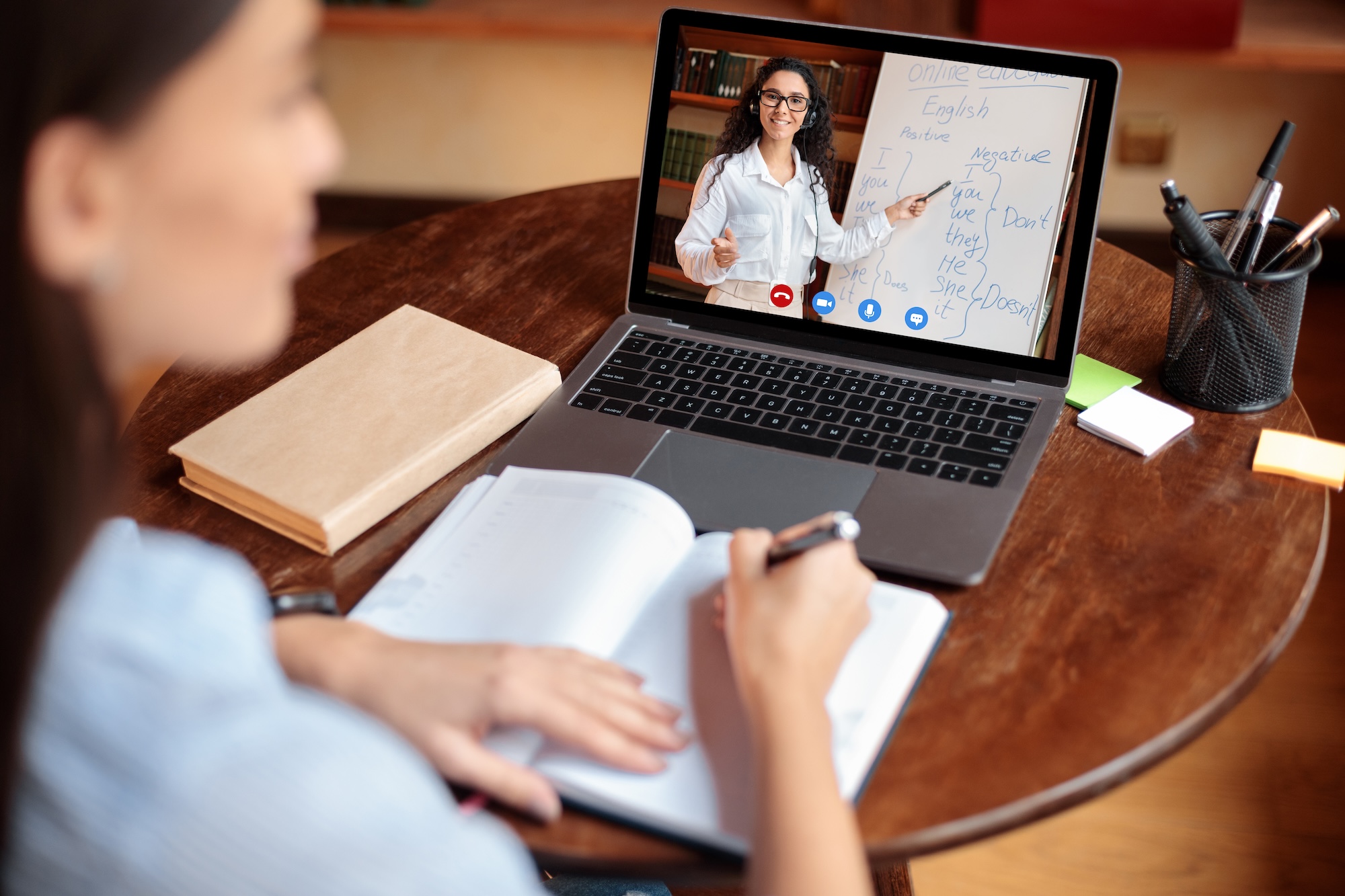
Remote learning has become a central feature in today’s education landscape—a shift that picked up serious momentum amid global disruptions. As schools and universities lean more into digital classrooms, it’s vital for educators, students and policymakers to recognize both the promises and the pitfalls of learning online.
In recent years, the adoption of digital education tools has surged. The pace of that change accelerated when traditional classrooms were disrupted. But the success of remote learning depends heavily on things like the available technology, how engaged students are, and how educators adapt their teaching methods.
One of the standout advantages of remote learning is accessibility. Students in remote or underserved areas now have a clearer path to quality education without needing to relocate. At the same time, remote learning offers flexibility—letting learners balance other commitments like work or family while continuing their studies.
Nevertheless, the transition to online education isn’t without its challenges. Technical hurdles such as unreliable internet or lack of devices can severely limit the experience. Additionally, reduced face-to-face interaction may affect student motivation, social development and overall wellbeing.
For educators, keeping students engaged during virtual lessons and accurately assessing their progress has proven tricky. There’s also the growing concern about the digital divide—where learners from low-income backgrounds face disproportionate barriers to technology access and internet connectivity.
Still, innovation continues. Many institutions are embracing new teaching methods—think interactive platforms, virtual laboratories, and tailor-made learning experiences. The teacher’s role is evolving too; digital pedagogy and online class management skills are increasingly necessary.
Looking ahead, the future of education appears to be hybrid—blending traditional in-person teaching with online components. Education leaders must focus on closing the digital gap, training teachers for digital delivery and crafting high-quality online curricula. Monitoring the impact of remote learning on student outcomes and mental health remains essential as we navigate this evolving educational terrain.
Summary
A substantial portion of students globally have engaged in some form of online learning; for example, nearly half of students report having completed at least one online learning experience in recent years.
Remote learning offers proven benefits such as greater flexibility and reach, enabling learners in remote or underserved areas to access education they otherwise might not.
On the flip side, many students report that staying motivated is harder in online settings, and difficulties with time-management, technology access and sense of connection are real issues.
The “digital divide” remains a significant barrier: students lacking device access, reliable internet or digital skills are at risk of falling behind.
From a teaching perspective, simply moving a traditional class online doesn’t guarantee success—educators need training, new instructional strategies, and digital-optimized pedagogy to make remote learning effective.
The online/distance learning market is growing rapidly, signalling that this mode of education is here to stay—but growth also highlights the importance of quality, equity and support systems.
Updated & Additional Information
Recent data indicate that more than one-quarter of college students take some courses fully online, and over half take at least one online course.
It’s estimated that the global online education market could be valued at several hundred billion USD by the mid-2020s, underscoring how big remote learning has grown.
Despite this growth, the gap in access to high-speed internet, devices and digital literacy is still a major barrier in many regions and among lower-income students.
Teacher training for digital pedagogy is increasingly regarded as a crucial investment: educators who are well-prepared for online delivery report better student engagement and outcomes.
Hybrid models—combining face-to-face and online instruction—are emerging as the sustainable path forward, allowing educators to leverage the strengths of both modes.
Mental health and social interaction risks linked to remote learning (especially isolation or reduced peer contact) are receiving more attention in policy and practice.
What are the main benefits of remote learning?
Remote learning provides greater accessibility and flexibility, enabling students in different locations to access quality education and learn at their own pace.
What challenges do students face with remote learning?
Students often encounter technical issues, lack of face-to-face interaction, and difficulties staying motivated, which can affect their overall learning experience.
How can educational institutions improve remote learning experiences?
Institutions can invest in reliable technology, offer teacher training, and develop engaging online content to enhance the effectiveness of remote education.