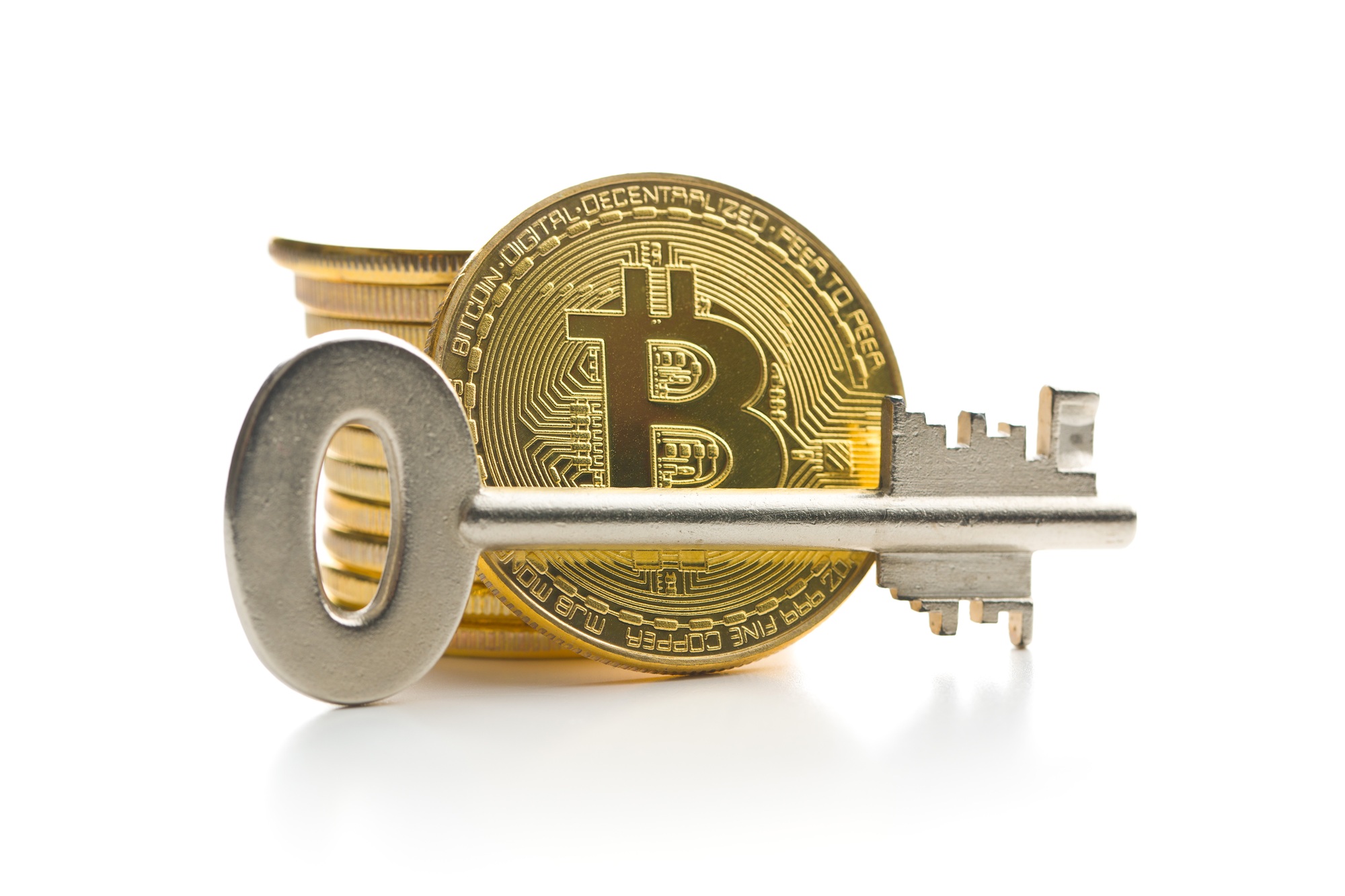
With the increasing popularity of cryptocurrencies, security concerns have become more prevalent among investors and traders alike. Today’s focus is on practical tips to protect digital assets from theft, hacking, and scams, which are common threats in the crypto space.
Cryptocurrency markets have seen significant growth over recent years, leading to a surge in both legitimate and malicious activities. While blockchain technology offers decentralized security features, individual users must take additional precautions to safeguard their investments.
Recent incidents have highlighted vulnerabilities in digital asset security, including hacking of exchanges and wallet breaches. Experts emphasize the importance of adopting robust security practices to mitigate risks and ensure the safety of one’s crypto holdings.
Many investors are impacted by security breaches, often losing substantial amounts of digital currency due to inadequate security measures. As the crypto landscape evolves, the adoption of best practices becomes essential for both new and experienced users.
Industry analysts recommend regular updates to security protocols, utilization of hardware wallets, and careful management of private keys. These steps significantly reduce the chances of unauthorized access and theft.
Looking ahead, users should stay informed about emerging threats and security innovations. Keeping software up to date, enabling multi-factor authentication, and avoiding phishing scams are critical components of a comprehensive security strategy.
What is the most effective way to secure your cryptocurrency assets?
Using hardware wallets and enabling multi-factor authentication provides robust protection against hacking attempts and unauthorized access.
How can users protect themselves from phishing scams?
Always verify the authenticity of links and emails, and avoid sharing private keys or sensitive information online.
Why is it important to keep software and wallets updated?
Regular updates patch security vulnerabilities, reducing the risk of exploits by malicious actors and ensuring the latest security features are in place.