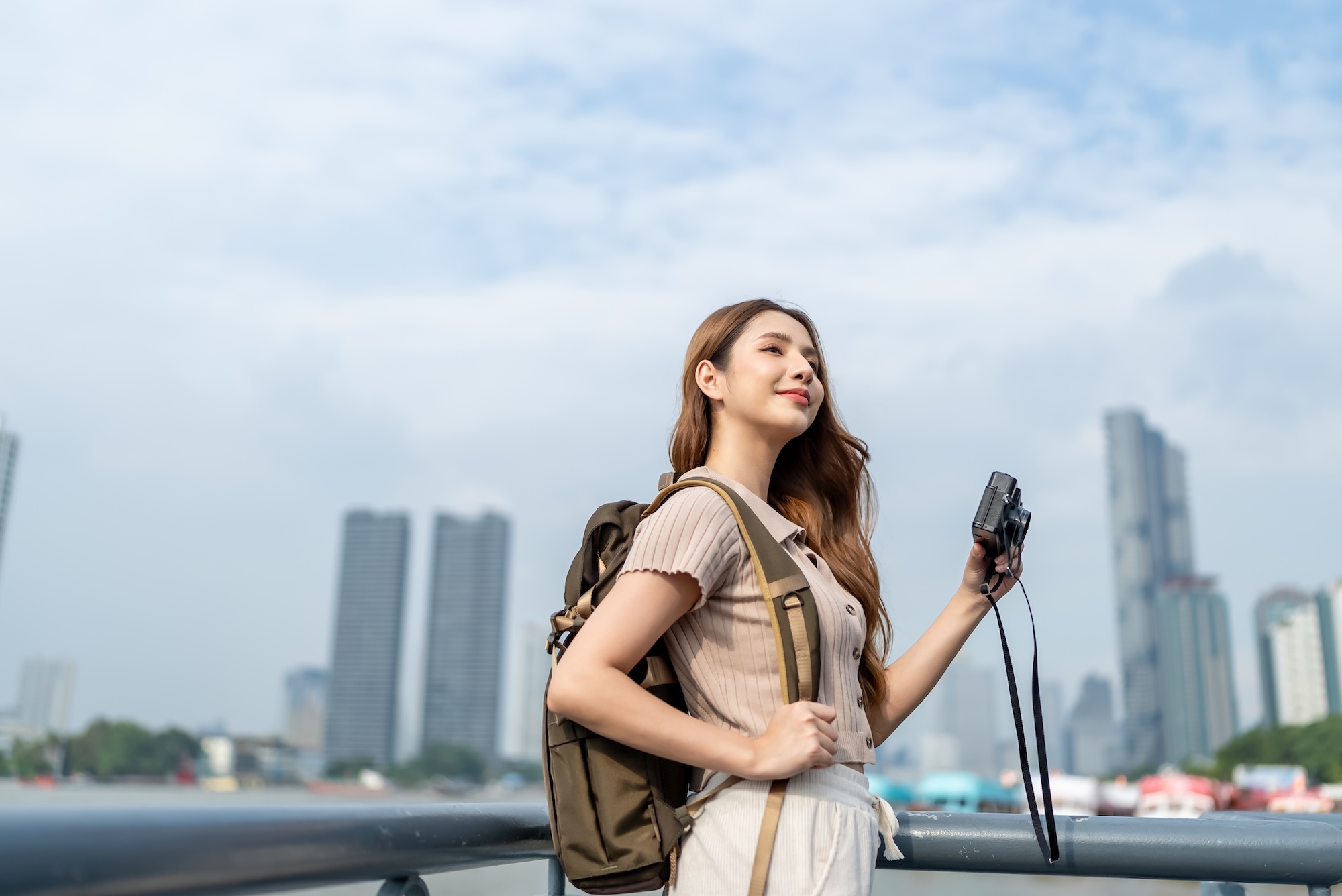
Travelling alone can be profoundly empowering for women—yet it calls for heightened awareness and smart preparation. In our globalised world where solo travel is increasingly popular, safety should be at the forefront of every woman’s journey.
More and more women are choosing to travel solo, motivated by a desire for independence, self-discovery and freedom. Experts say that while this trend is rising, concerns around safety remain a major barrier—so knowing how to protect yourself matters more than ever.
Here’s how you can travel confidently and safely:
Plan ahead: Map out your routes, pick reputable accommodation, and familiarise yourself with local transport and customs.
Share your itinerary: Let trusted friends or family know where you’re going and check-in regularly so you’re never truly on your own.
Carry the right safety gear: A portable phone charger, personal alarm or whistle, and having your phone ready can make a big difference.
Dress and behave with cultural awareness: In many places, blending in lowers risk—avoid drawing unnecessary attention by dressing in line with local norms.
Avoid risky areas especially at night: Steer clear of poorly lit or deserted places; stick with busy, safe environments and trusted transport.
Use technology and local networks: Location-sharing apps, local SIM cards, and connecting with other women travellers or local contacts add extra safety layers.
Insure and prepare: Travel insurance that covers theft and medical emergencies is non-negotiable. Also, knowing a few phrases of the local language and local laws helps if you ever need help.
When done well, solo travel not only gives you adventurous stories—it builds resilience, confidence and deep personal growth. But preparedness isn’t optional—it’s essential.
Fact-Check Summary
Solo female travel is rising: motivation often centres on freedom and independence. Safety concerns continue to be a leading barrier for many women.
The vast majority of solo travellers (around 93 %) report that situational awareness—being alert and aware of surroundings—is their top safety strategy.
Practical items such as location-sharing apps, emergency contacts, and reliable phone/internet access are repeatedly cited as essential safety tools.
Choosing safe destinations and transportation is key: destinations with well-developed tourism infrastructure and good public transport are consistently favoured.
Despite fears, many solo female travellers have safe and enriching experiences provided they prepare properly—risk is more about context and choices than inherent destination danger.
Updated & Additional Information
Recent surveys show that while many women want to travel solo, about 70% still cite personal safety as their top concern—especially new solo travellers.
Many female-solo-travel tips now emphasise pre-trip digital readiness: backing up key documents, downloading offline maps, prepping local contacts and installing safety apps before departure.
Some of the safest and most recommended destinations for solo female travel are countries like Spain, Italy, and Portugal—thanks to good infrastructure, moderate crime rates and welcoming attitudes.
Technology plays an increasing role: travel safety services, location-sharing features and mobile apps tailored to solo travellers are gaining traction and making trips safer.
Social connection remains important: even if you’re travelling alone, building networks—online or locally—adds both comfort and safety.
How can women ensure they are not targeted by thieves or scammers?
Women can minimize risks by remaining vigilant, avoiding flashy jewelry or expensive gadgets, and not sharing personal details with strangers.
What are the best ways to stay connected with loved ones while traveling alone?
Using reliable messaging apps and sharing real-time location data with trusted contacts help keep travelers connected and safe.
Why is it important to research local customs and laws before traveling?
Understanding local customs prevents misunderstandings and helps travelers show respect, reducing the chances of conflicts or legal issues.