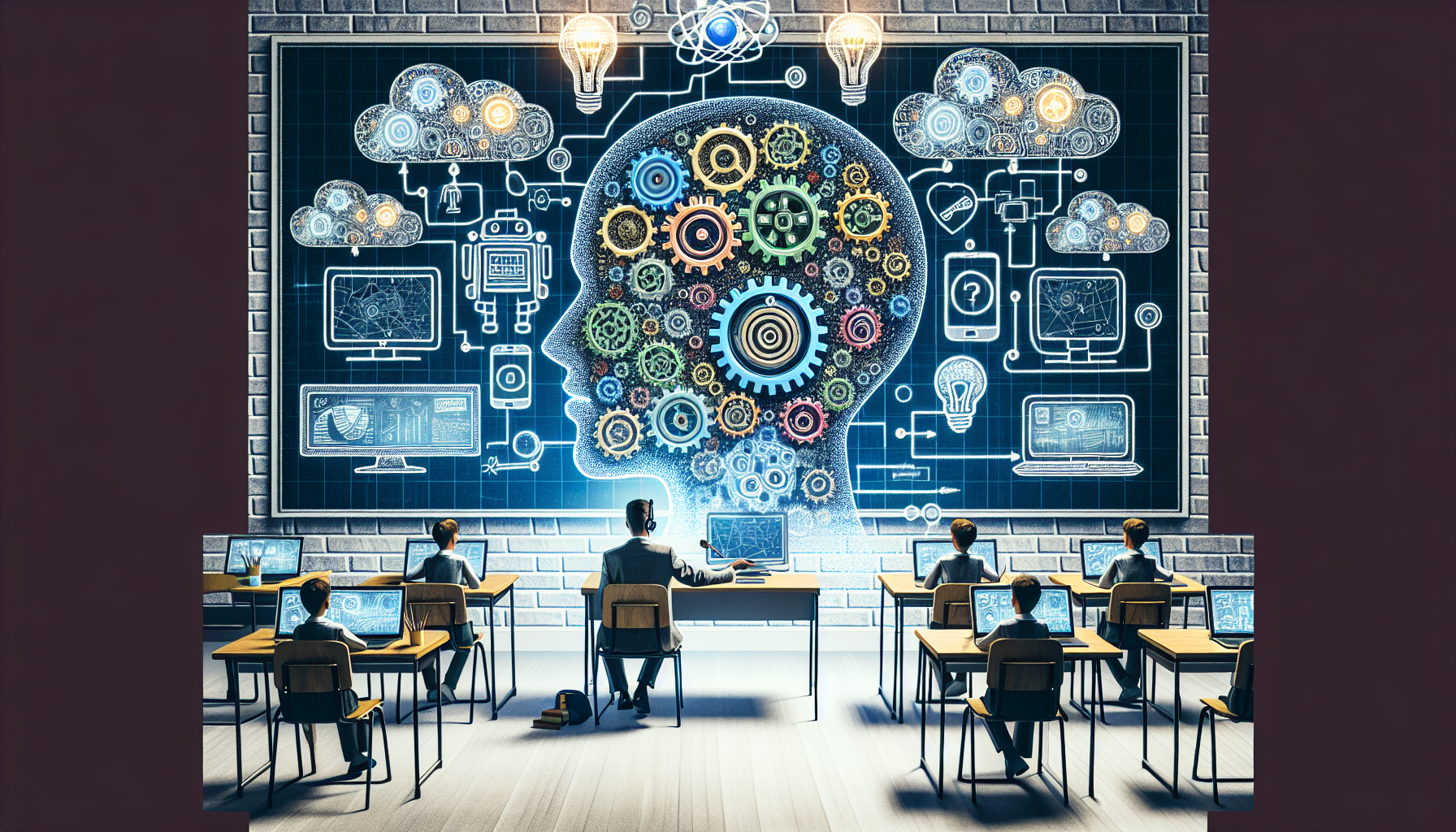
Artificial Intelligence (AI) is no longer just the stuff of science fiction movies. Today, it’s quietly (and sometimes loudly) reshaping education as we know it. You might think of educational robots marching through schools, but in reality, AI is more like the friendly ghost that helps students and teachers navigate the tricky waters of learning. Let’s dive into how AI is making waves in schools, and why you might want to take a closer look at this technological upstart.
The Rise of AI in Education
AI technology is rapidly evolving, and its integration into the educational sector is becoming more apparent by the day. It’s like having a well-organized study buddy that can help with everything from scheduling to tailoring learning experiences. Schools are starting to recognize that AI can help personalize education, making it more relevant and engaging for students.
Imagine a classroom where the curriculum adapts to each student’s learning style. Some students may thrive with interactive simulations, while others prefer quizzes and flashcards. Enter AI: by analyzing data from student performance, AI can enable **educators** to modify lessons in real-time, meeting each student where they are and helping them to grow.
Personalized Learning Journeys
Remember the last time you tried to learn something new? It can be overwhelming if the material simply doesn’t click with your learning style. AI steps in to save the day, offering personalized learning trajectories that cater to individual needs.
Adaptive learning platforms powered by AI analyze how well a student is grasping concepts and adjust assignments accordingly. Want to master calculus? No problem! AI will throw complex problems your way if you’re ready, or it’ll slow down and revisit the basics if you’re struggling. This makes learning feel less like a chore and more like a tailored experience.
As educational strategist Laura McMahon puts it, “Education is not one-size-fits-all. And thanks to AI, it doesn’t have to be.”
Enhanced Data Analysis
Educational institutions are drowning in data. But with AI, schools can turn this overwhelming torrent into actionable insights. Analyzing student performance records, attendance patterns, and behavioral trends has never been easier.
AI can identify students who might need extra help before teachers even notice a dip in grades. For instance, if a student’s grades drop or they stop participating in class, AI can alert educators, so they can swoop in with support before it turns into a problem as big as a mountain.
Moreover, this data doesn’t just help at the individual level. AI analyzes trends across classes or even entire institutions, giving educators insight into what teaching methods work best. If three teachers notice that their students are struggling with a particular concept, it might be time to reassess the teaching strategy.
Transforming Administrative Tasks
Ah, the joys of paperwork! For educators, managing administrative duties can be a frustrating sideline to their main job: teaching. Thankfully, AI brings a much-needed helping hand to lighten the load.
AI-powered systems can handle tedious tasks like scheduling, grading assignments, and even tracking student progress. This allows teachers to devote more time to what they love—interacting and engaging with their students. With everything from grading algorithms to automated assignment submissions, the educational environment becomes smoother and more efficient.
But wait, there’s more! AI can assist with **student engagement** by creating chatbots that readily answer common questions. These chatbots can serve as virtual teaching assistants, leaving the teachers to tackle more complex issues.
Preparing Students for the Future
In an ever-changing job market, students need to be equipped with skills that help them thrive. AI fosters critical thinking, problem-solving, and collaboration—essential skills in the workforce of tomorrow.
Rather than teaching rote memorization, educators using AI integrate real-world scenarios into their lessons. This means students aren’t just learning facts, but rather how to apply their knowledge and think critically about challenges. AI-focused curricula can provide students with practical experience in using emerging technologies, making them more appealing to future employers.
Challenges and Ethical Considerations
Of course, as with any technological advancement, the rise of AI in education is not without its hurdles. From concerns about data privacy to the potential for bias in AI algorithms, it’s essential to address ethical considerations as we embrace AI solutions.
Educators, administrators, and policymakers must collaborate to establish robust frameworks ensuring that AI is used responsibly and ethically. Transparency is key—students and parents must understand how data is collected and how it’s used.
The Bottom Line
Artificial intelligence is revolutionizing education, making it more personalized, efficient, and engaging. While challenges exist, the potential benefits far outweigh the pitfalls.
Embracing AI in schools is like opening the door to a high-tech playground where students learn through personalized experiences and educators can focus on what they do best—teaching. As AI continues to develop, the landscape of education will change forever. So get ready to explore this exciting frontier and embrace the future of learning!