


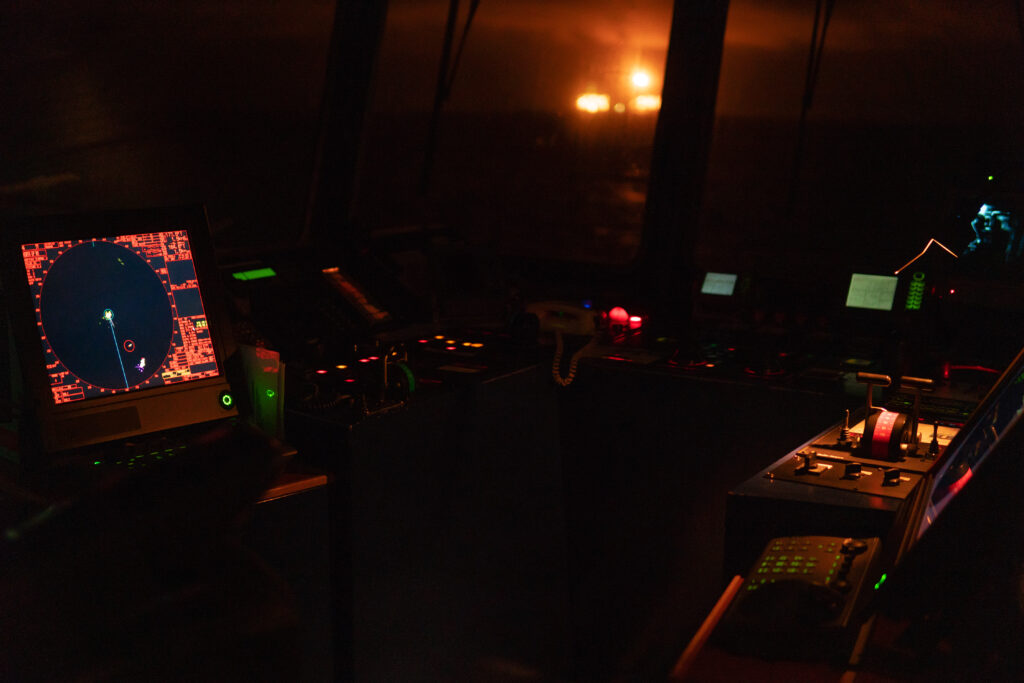
Night sailing requires specialized navigation skills to ensure safety and avoid hazards in low visibility conditions. As sailors venture into the darkness, understanding and employing effective night navigation techniques becomes crucial for a safe journey across open waters.
Historically, sailors relied on celestial navigation, using stars and the moon to guide their routes. Today, modern navigation tools such as GPS, radar, and electronic charts have transformed night navigation, making it safer and more precise. Despite technological advancements, traditional skills remain essential, especially when electronics fail or are unavailable.
This article explores the key techniques for night navigation, including the use of natural cues, technological aids, and best practices for maintaining safety during nocturnal voyages.
For sailors, understanding how to interpret natural cues like stars, the horizon, and lighthouse signals is vital. These natural indicators help establish position and course when electronic devices malfunction. Additionally, radar and GPS devices enable precise position fixing, helping sailors avoid hazards such as rocks, wrecks, or shallow waters.
Proper lookout practices are critical during night sailing. Continuous visual observation, aided by good lighting and binoculars, allows crew to detect obstacles early. Maintaining a proper watch system ensures that someone is always vigilant for potential dangers.
Weather conditions significantly impact night navigation. Mariners must monitor weather forecasts and be prepared for sudden changes, such as fog, storms, or high winds, which can reduce visibility and complicate navigation efforts.
Training and experience are essential for effective night navigation. Regular drills in celestial navigation, familiarization with electronic systems, and understanding local maritime charts enhance crew competence and confidence in low light conditions.
In conclusion, combining traditional navigation skills with modern technology provides the safest approach to night sailing. Staying alert, prepared, and vigilant helps sailors avoid hazards and ensures a safe passage through the night.
What is the most important natural cue for night navigation?
The stars are the most important natural cue, helping sailors determine their position and heading when electronic devices are unavailable or unreliable.
What technological tools can aid in night navigation?
GPS, radar, and electronic charts are vital tools that help sailors determine their precise location and identify obstacles, significantly increasing safety during night trips.
Why is maintaining a proper lookout essential during night sailing?
Keeping a proper lookout ensures early detection of hazards, allowing the crew to react promptly and prevent accidents, especially when visibility is limited.