


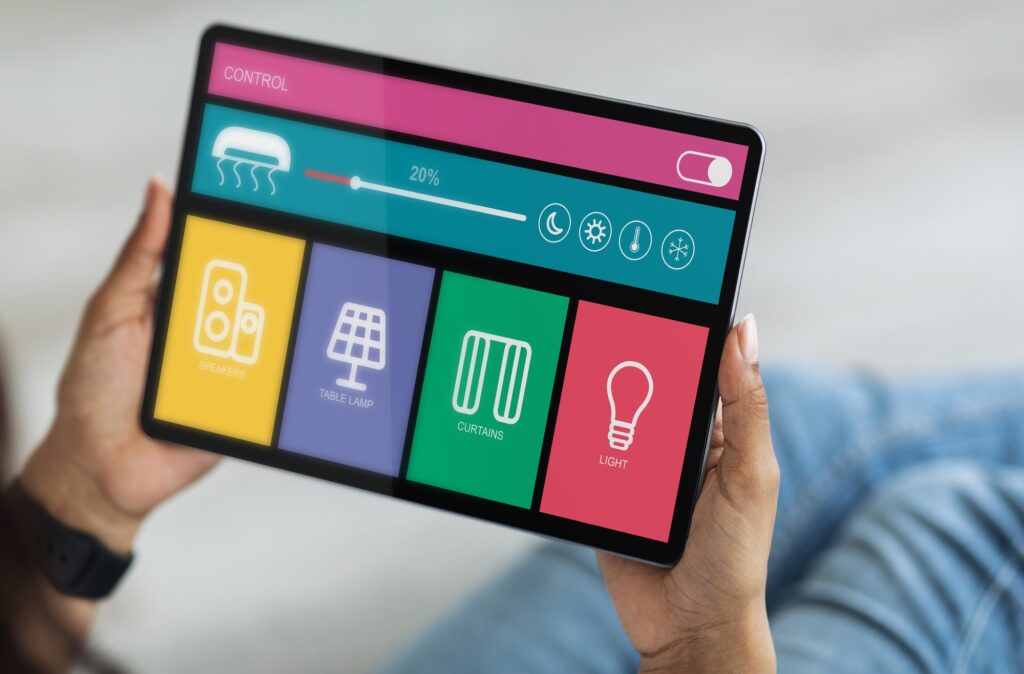
Recent developments in hardware are significantly advancing AI-driven home assistants, paving the way for more integrated and efficient smart home ecosystems.
Over the past year, the demand for smarter, more capable home assistants has surged, driven by consumers’ desire for seamless automation and enhanced connectivity within their living spaces. Companies are investing heavily in hardware innovation to improve the core components that power these devices, including processors, sensors, and connectivity modules.
Today’s news highlights groundbreaking hardware innovations that are set to redefine the capabilities of AI home assistants. These advancements include the integration of more powerful and energy-efficient processors, improved sensory inputs for better environmental awareness, and enhanced communication modules that enable faster and more reliable connectivity across various smart devices.
These hardware improvements are impacting a wide range of stakeholders, from manufacturers and developers to end-users. Manufacturers benefit from the ability to produce more sophisticated, reliable devices that can handle complex AI algorithms locally, reducing latency and dependence on cloud computing. Consumers, on the other hand, will enjoy more responsive, intuitive, and secure smart home experiences.
Industry experts suggest that these innovations could accelerate the adoption of AI home assistants in everyday life, making them more integral to home security, energy management, and entertainment systems. Companies like Amazon, Google, and emerging startups are racing to incorporate these state-of-the-art hardware features into their next generation of products.
Looking ahead, the focus will likely shift toward integrating these new hardware capabilities with advanced AI software to create even more intelligent, context-aware home assistants. The next few quarters are expected to see a surge in product launches that leverage these innovations, alongside ongoing developments in IoT infrastructure and data security protocols.
What are the key hardware components driving innovation in AI home assistants?
The key components include high-performance, energy-efficient processors, sophisticated sensors for environmental and user interaction, and robust connectivity modules like Wi-Fi 6 and Bluetooth 5. These elements enable devices to process vast amounts of data locally and communicate seamlessly with other smart home devices.
How will these hardware innovations impact consumer experiences?
Consumers will benefit from faster, more accurate responses, better environmental understanding, and more reliable device interactions, ultimately leading to a more intuitive and secure smart home environment.
What challenges might arise from these hardware advancements?
Potential challenges include increased manufacturing costs, the need for enhanced security measures to protect more integrated hardware, and ensuring compatibility across different devices and platforms. Addressing these issues will be critical for widespread adoption.