


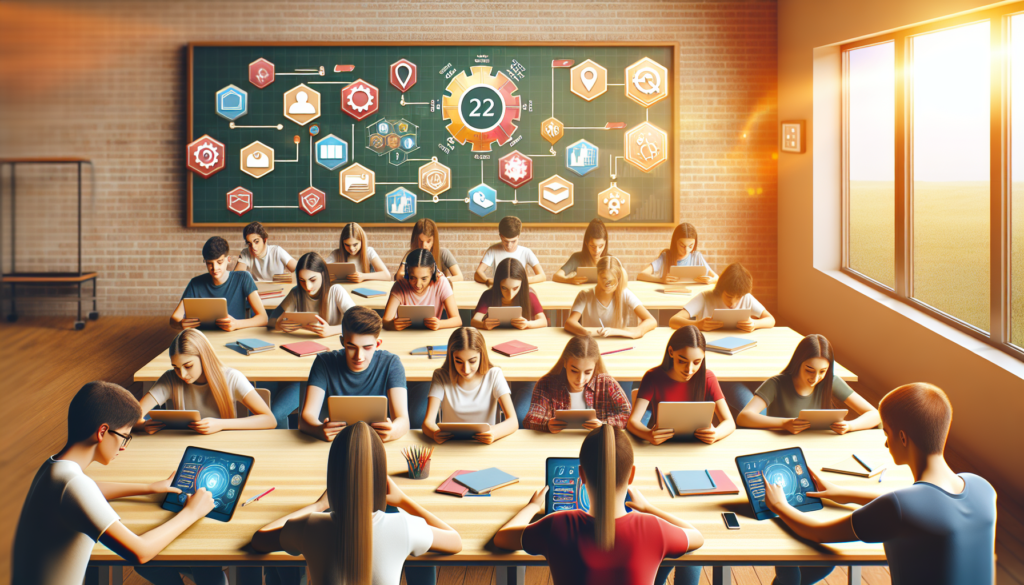
In a world where knowledge is power, traditional education sometimes feels like trying to squeeze a square peg into a round hole. Enter the age of gamification—where learning morphs into an exhilarating adventure rather than a dull chore. Imagine turning your classroom into a playground and your textbooks into treasure maps. If you thought that education and games were strictly for children, think again!
What is Gamification?
Gamification is an innovative approach that incorporates game design elements in non-game contexts, like education! Think points, badges, levels, and leaderboards that spice up your learning experience. It’s all about making education more engaging, providing immediate feedback, and fostering a sense of achievement—not too shabby for the students who often struggle to find their motivation.
Why the Shift to Gamification?
You might ask yourself, “Why not stick with the classic lecture format?” Well, here’s the deal—traditional methods can be as stimulating as watching paint dry. Gamification addresses some major educational challenges:
- **Engagement**: The average student’s attention span is shorter than a goldfish’s! With games, you hold their interest far longer.
- **Motivation**: When learning resembles a game, students are more motivated to participate. Who wouldn’t want to earn points rather than just ticking off boxes?
- **Collaboration and Teamwork**: Many gamified learning experiences encourage students to work in groups, making collaboration just as fun as winning a multiplayer game.
Interactive Learning: It’s Not Just for Kids
The misconceptions surrounding gamification often lead to the idea that it’s only suitable for younger audiences. But who says adults can’t have a little fun while learning? Whether it’s a corporate training course or a professional development program, gamification can breathe new life into **adult education**.
How Companies are Using Gamification
Oh, you thought only schools were diving into gamified learning? Think again! Many leading companies are adopting this approach to train their employees. They are using games to teach everything from sales techniques to product knowledge. Here’s how they’re doing it:
- Quizzes and Assessments: Employees can participate in fun quizzes that reward knowledge retention with points or badges.
- Simulation Games: Training programs now include simulations that replicate real-work scenarios. Nothing beats being thrown into a virtual world where you make decisions and face the consequences!
- Leaderboards: Who doesn’t enjoy a little friendly competition? Showcasing top performers can bolster morale and motivate everyone to step up their game.
The Psychology Behind Gamification
There’s more science to this than just adding fun graphics. Gamification taps into several important psychological factors:
Behavioral Motivation
This process uses principles of reward and recognition, providing immediate feedback. When learners know they’re being rewarded for their efforts, they’re more likely to engage actively. Just like a dog fetching a stick—give them a reward, and they’ll come running!
Ownership and Progress
Gamification empowers learners to take charge of their education. When students witness their progress through levels or achievements, they feel a sense of ownership over their learning journey. It’s like leveling up in a video game; you want to keep going!
A Healthy Dose of Competition
People are naturally competitive creatures. By integrating aspects of competition, learners push each other to perform better. The desire to outshine a classmate or colleague can ignite a fire of motivation that even the most boring textbook couldn’t spark.
Challenges and Considerations
Even in this shiny gamified realm, challenges remain. Not everyone finds the same joy in competition, and some may feel overwhelmed by the endless points and badges. It’s essential to strike a balance between fun and actual learning outcomes. Gamification should enhance education, not distract from it.
How to Implement Gamification
Ready to dive into the gamified world? Here are some tips to get you started:
- Identify Objectives: Remember that the goal is effective learning, not just throwing games into the mix.
- Know Your Audience: Understanding your learners and their preferences can guide you in designing a relevant and engaging experience.
- Testing is Key: Just like an epic boss battle, you’ll need to tweak your strategies. Gather feedback and make adjustments as necessary.
The Future Looks Bright
The fusion between education and gamification is gaining momentum. As technology progresses and our understanding of learning psychology deepens, we can expect even more innovative approaches to education. So buckle up, because learning is about to become a thrilling ride filled with quests, challenges, and perhaps even a dragon or two (okay, maybe not dragons, but you get the idea).
In conclusion, as we embrace educational gamification, we redefine how we acquire knowledge. Gone are the monotonous lectures and bulky textbooks! Instead, we step into the exhilarating world of interactive learning where achievement feels less like a chore and more like an achievement unlocked! So grab your virtual sword, and let’s conquer the world of learning together!