


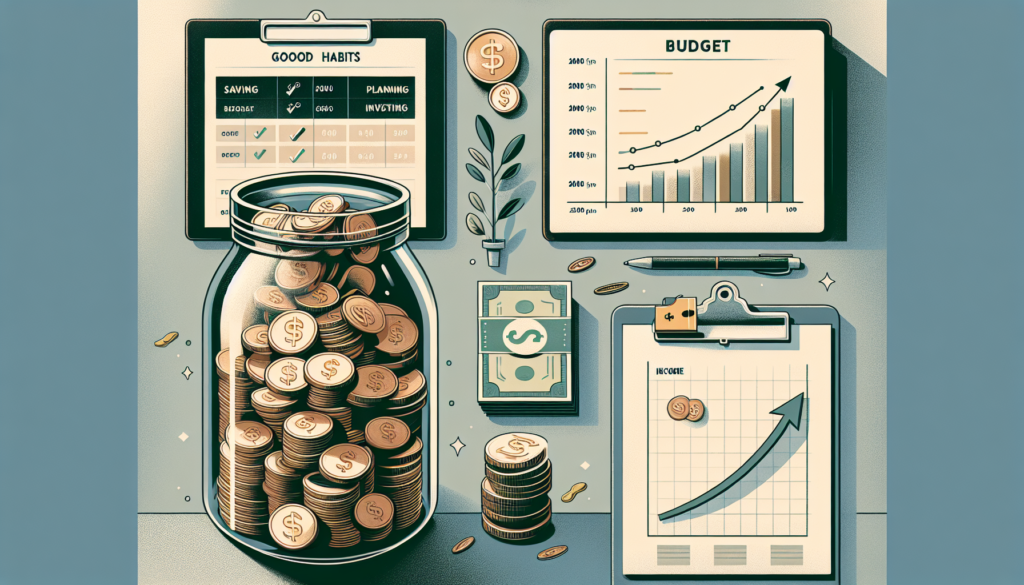
When it comes to achieving financial freedom, having the right habits can make all the difference. Think of your financial health as a garden: if you water it, nurture it, and give it a little sunshine, it will grow beautifully. But if you ignore it, well, you might end up with a garden full of weeds. Let’s dig into some personal finance habits that will help you cultivate a lush landscape of wealth and prosperity.
Set Specific Financial Goals
First things first: set specific financial goals. A goal without a plan is just a wish, and trust me, wishing upon a star won’t pay your bills. Whether you want to save for a dream vacation, buy a house, or simply build an emergency fund, writing down your goals is the first step.
Make your goals SMART: Specific, Measurable, Achievable, Relevant, and Time-bound. For example, rather than saying “I want to save money,” try “I want to save $5,000 in the next year.” Not only does this give you a target, but it also creates a sense of urgency. After all, who doesn’t love a little pressure?
Create a Budget
Now that you know what you’re saving for, it’s time to create a budget. Think of a budget as your financial game plan. It helps you track your income, expenses, and where your money is dancing away to when you’re not looking. Free budgeting apps can make this task feel less daunting.
Start by listing all your sources of income and then categorize your expenses: needs versus wants. Needs include rent, groceries, and utilities, while wants might encompass that daily gourmet coffee or your Netflix subscription (sorry, binge-watchers!). If your “wants” are outrunning your “needs,” it’s time to rein it in.
Track Your Spending
One of the crucial habits of financially free folks is that they know exactly where their money goes each month. Tracking your spending can be enlightening—sometimes it can even feel like a mini therapy session where you uncover your financial “triggers.”
This doesn’t mean you have to log every coffee you buy, but keeping tabs on your larger expenses can help identify patterns. You might be surprised to find out how much those “quick” takeout meals are costing you. Spoiler alert: your wallet is crying.
Build an Emergency Fund
If you’ve ever had your car break down or faced a surprise medical bill, you understand the importance of having an emergency fund. This fund acts as your safety net, preventing you from falling into debt when life throws a curveball. Aim to save enough to cover three to six months’ worth of living expenses.
Think of it as your financial superhero cape—it may not make you fly, but it sure will save you from disaster. Start small; even saving a few dollars each week can add up over time. You can use high-yield savings accounts to make your money work a bit harder in the meantime.
Invest in Yourself
Knowledge is power, so invest in yourself. Whether it’s through books, courses, or workshops, improving your skills can open doors to increased earning potential. In today’s world, learning new skills can transform your financial landscape.
And hey, the best part? You can turn your hobbies into side hustles. Love baking? Start selling those delicious treats online! Great with numbers? Offer your services as a freelance bookkeeper. The possibilities are endless, and your bank account will thank you later.
Mind Your Debt
Not all debts are bad—hello, mortgage!—but high-interest debts can become a major financial burden. Create a plan to tackle these as soon as possible. Consider the snowball or avalanche methods. The snowball method suggests paying off the smallest debt first, while the avalanche method focuses on high-interest debts. Choose the method that suits your personality (or your caffeine levels).
Whichever method you choose, keep an eye on your spending and make adjustments. Remember, the goal is to stop financing your lifestyle on borrowed money!
Automate Your Savings
Why make things harder than they need to be? Automate your savings so you can grow your wealth without even thinking about it. Set up automatic transfers from your checking account to your savings or investment accounts as soon as you get paid. It’s like *paying yourself first* but without the discipline required to make a conscious effort.
Consider setting up a direct deposit from your paycheck into your savings account. This way, your brain will trick you into thinking you haven’t received that money yet, and you’ll find yourself with a growing nest egg before you know it!
Keep Learning About Finances
The world of personal finance is always evolving, and becoming financially free requires continuous learning. Read books, follow financial blogs (like this one!), listen to podcasts, and attend seminars. Knowledge isn’t just power in this case; it’s your ticket to financial freedom.
Oh, and don’t forget to laugh along the way. Personal finance doesn’t have to be dry and boring. Find humor in your spending blunders, and use them as a learning experience. After all, nobody becomes a financial guru overnight—so why not enjoy the ride?
Conclusion
By adopting these personal finance habits, you’re setting yourself on the path to financial freedom. Start slow, be consistent, and watch your financial garden flourish. Remember, wealth isn’t just about money; it’s about freedom, options, and opportunities. Happy saving!